Australian clinical trial site for Phase I, II, & III patient studies
Hospital-integrated research at St Andrew’s Hospital, Adelaide. Precision pre-screening, high compliance through to end of study, and inspection-ready data for US, EU, UK and Asian sponsors — including dry eye, ophthalmology, allergy, immunology and dermatology.
A statewide, multi-indication database and referral network lets us match eligibility before first visit. That lowers screen-failure rates and shortens time to first patient in — the factor that most often protects a sponsor timeline.
Inspection-ready data
Investigators who manage full patient care produce cleaner source, more accurate causality and fewer queries. Operations are structured for GCP, audit and inspection — not visit snapshots.
Specialist investigators, on the study
Practising specialists and key opinion leaders with dual clinician–researcher roles, not a name on a form. Sub-investigators and coordinators on campus so the protocol does not depend on a single physician.
Database-led feasibility
Evidence-based feasibility from a live statewide database, with mutual-acceptance HREC experience and, for eligible sponsors, Australia’s 43% R&D tax rebate. No protocol is reviewed until a confidentiality agreement is in place.
94% retention to end of study
94% retention in a 180-patient Phase III dry eye study. The same cohort is primed for extension studies, preserving continuity of care, source data and investigator oversight.
Mutual-acceptance HREC
Bellberry and other mutual-acceptance pathways, with efficient responses to ethics comments. Ethics is treated as a start-up clock, not a bottleneck.
Acute-care infrastructure
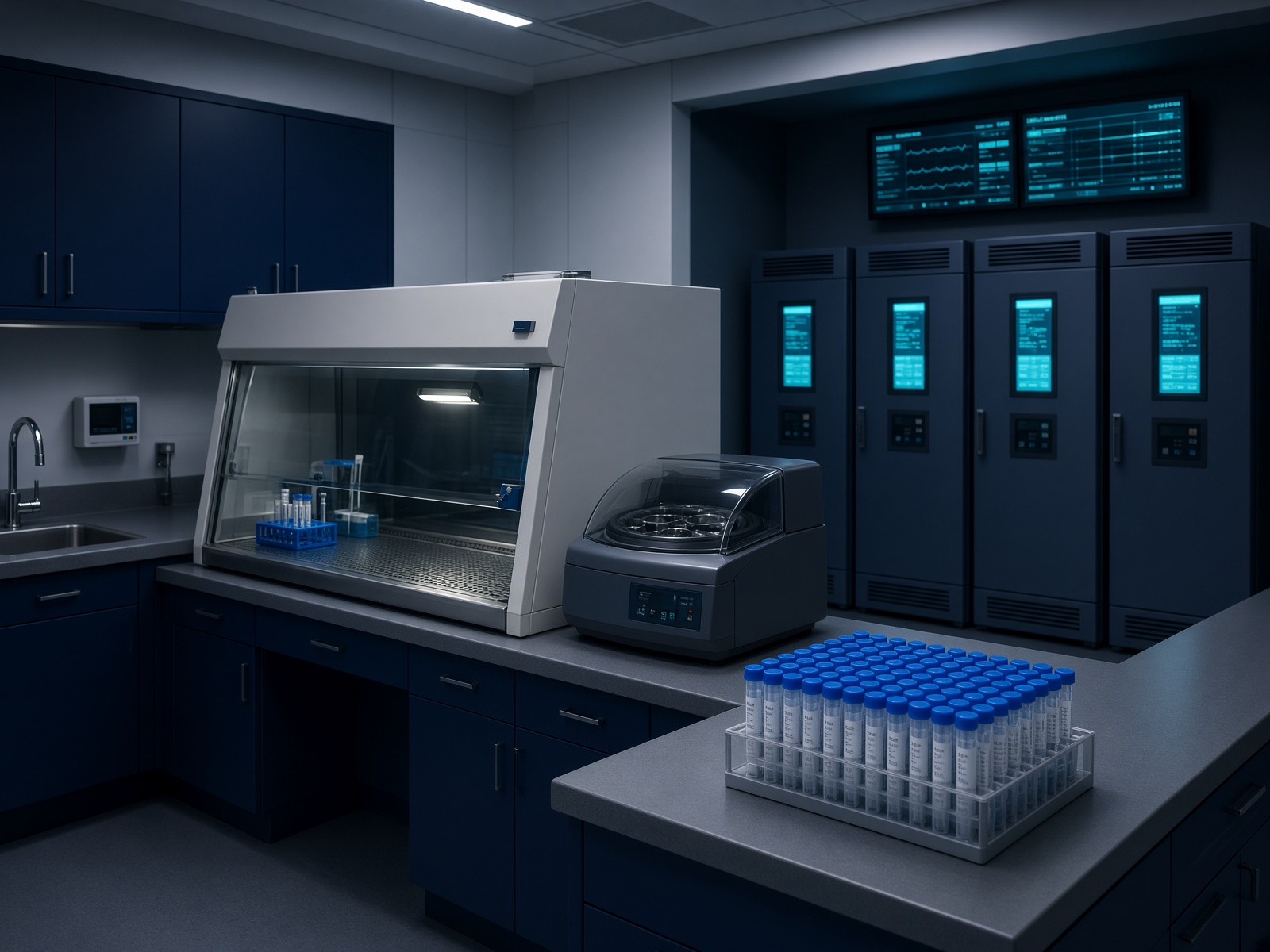
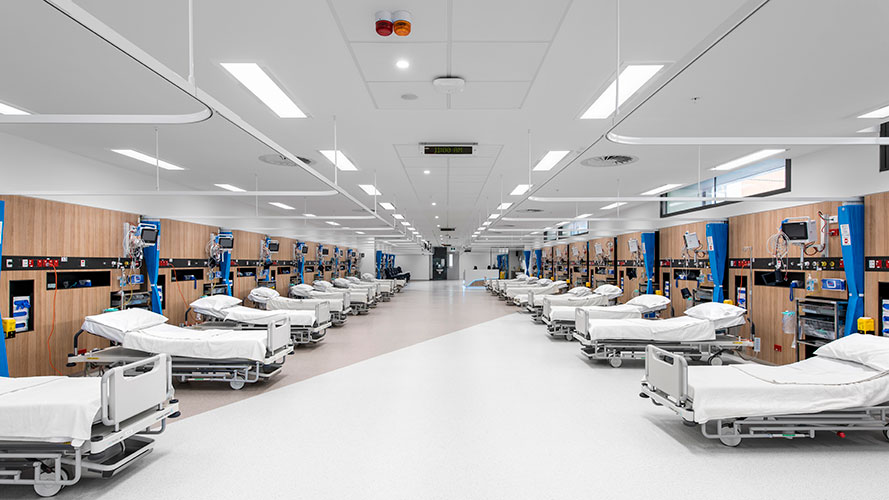
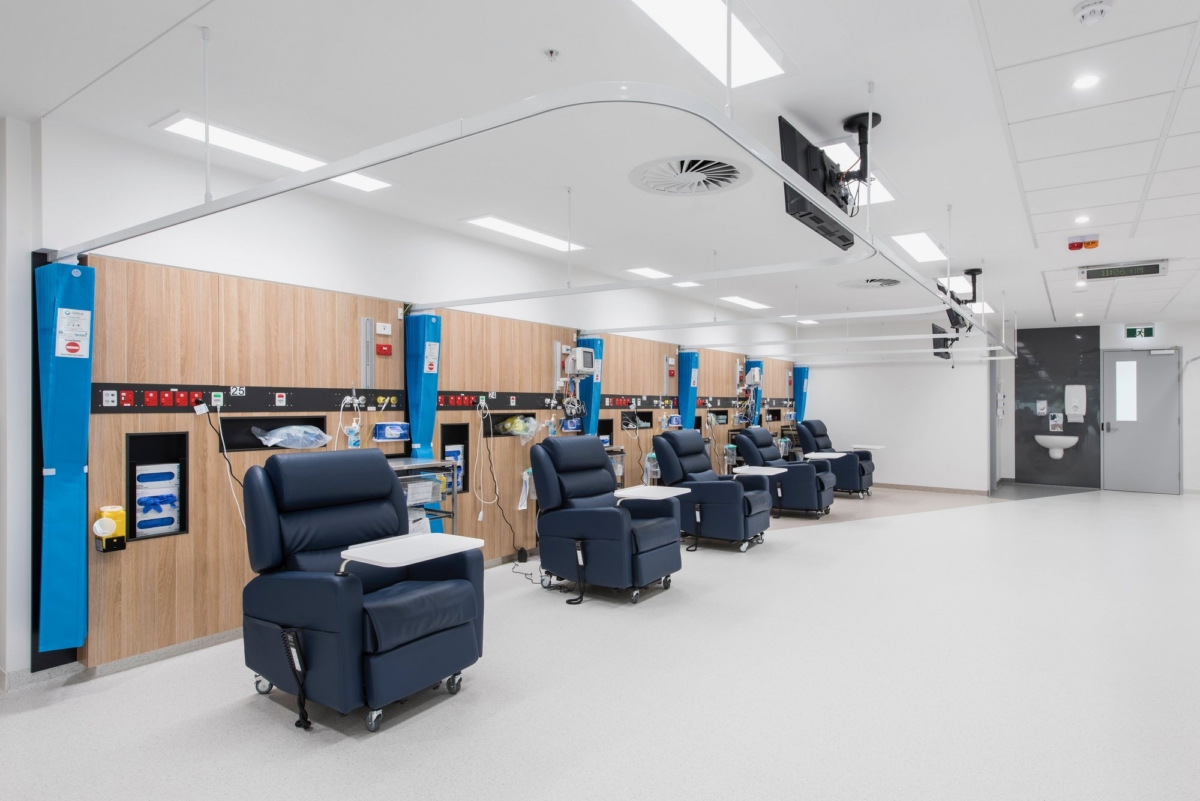
Overnight and long-stay beds, ICU/HDU, infusions, −80 °C storage, on-site pharmacy, laboratory and radiology. Dedicated monitoring workspace, campus parking and amenities for CRAs — capacity most standalone sites cannot match.
Hybrid visits and statewide reach
DECENTRA supports decentralised and hybrid protocols: telehealth, home visits where clinically appropriate, and a database that includes regional and rural patients. Useful for elderly or mobility-limited participants, and for diversity requirements from US and EU regulators.
About
A clinical research centre inside a working hospital — not a standalone outpatient site.
DECENTRA is an Australian clinical trial site for patient studies, based at St Andrew’s Hospital in Adelaide. Investigators and research staff work inside a full acute-care campus, so protocols that need washout, overnight observation, escalation or long-stay care can be run with hospital-level safety.
A proprietary statewide patient database covers urban, regional and remote South Australia. Precision pre-screening against protocol criteria reduces screen failures and presents sponsors with eligible, motivated participants — and a site that is ready for extension studies.
We support HREC submissions and address questions to support accelerated approval, welcome site inspections and audits, and are structured for mutual-acceptance HREC pathways and rapid trial start-up.
The site regularly partners with international sponsors across multiple regulatory jurisdictions, including the United States, Europe, the United Kingdom and Asia-Pacific. We also collaborate with Australian biotechnology companies and local research organisations, with capability across dry eye disease, ophthalmology, allergy, immunology, dermatology, respiratory, endocrine and metabolic disease, chronic illness and other Phase I, II, & III indications.
100+
Phase I, II, & III trials delivered
570
DED patients ready to pre-screen
43%
Australian R&D tax rebate
24/7
Hospital medical support
Leadership and site capability
Accelerating enrolment through specialist oversight and access
Led by Dr Paul Wabnitz, MD, PhD, FRACP, our site operates under the strict medical governance of an experienced Principal Investigator and Site Medical Director. He brings decades of drug development, pharmaceutical industry experience and clinical specialist leadership, ensuring every study is conducted with precision, integrity and uncompromising patient safety.
What truly distinguishes the site is access to a large, multi-indication patient database. While other sites rely on passive advertising and slow recruitment cycles, we actively match eligibility criteria against our network. Eligible candidates can be identified and pre-screened before first visit, which shortens start-up and protects screen-failure rates. Oversight stays with clinicians who manage full patient care — screening, dosing, escalation, overnight observation and extension studies included.
Rapid enrolment engine
A large, diverse network across urban, regional and remote South Australia. Fast-track identification of eligible participants and fewer recruitment delays.
Specialist-led execution
Investigators who are practising specialists and experienced trial physicians, supported by coordinators, nurses, on-campus pharmacy, temperature-controlled storage and laboratory.
Hospital-grade infrastructure
Operations sit inside a full acute-care hospital. That means true medical control, 24/7 specialist support, and the ability to run protocols that need washout, overnight observation, escalation or long-stay care — under GCP systems that protect patient safety and data integrity.
The result for sponsors is clear: accelerated enrolment, higher-quality data, and more predictable study performance.
Detailed investigator profiles, publication histories and specific therapeutic expertise are available on request after an introductory discussion and a Confidential Disclosure Agreement (CDA).
Capabilities
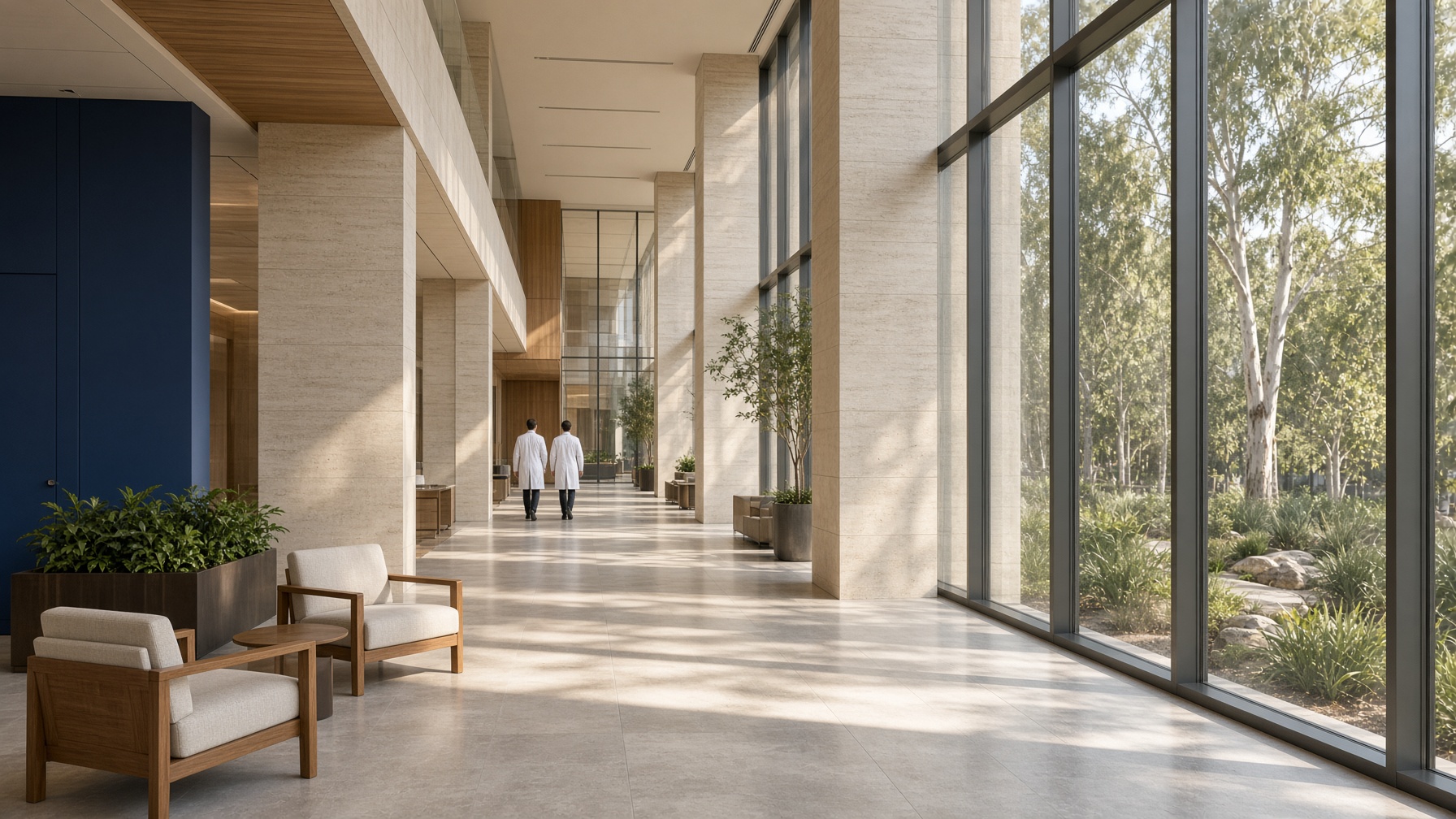
Hospital-grade infrastructure — all on one campus.
On-site Pharmacy
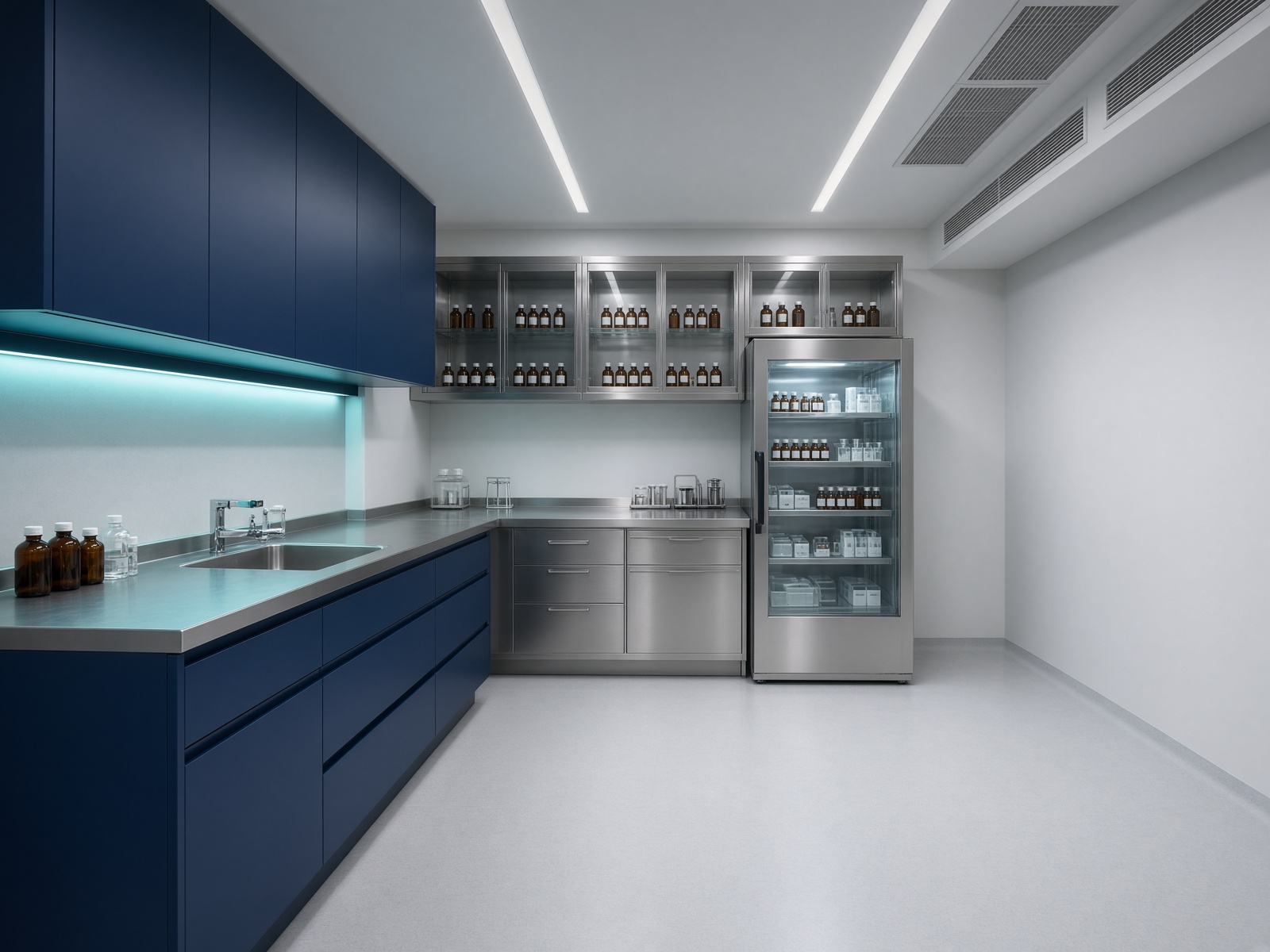
Investigational product storage, compounding and temperature-controlled IMP handling under GCP, on the same campus as the patients.
HREC & Regulatory Support
HREC submissions, responses to comments and protocol optimisation. Mutual-acceptance pathway and fast first-in-human Phase I start-up.
Trial Acceleration & Feasibility
Evidence-based feasibility from a live statewide database, with hospital-integrated start-up and mutual-acceptance HREC experience.
Patient Recruitment
Precision pre-screening against inclusion and exclusion criteria. Lower screen failure, higher motivation, and enrolment that holds through to end of study.
On-site Radiology
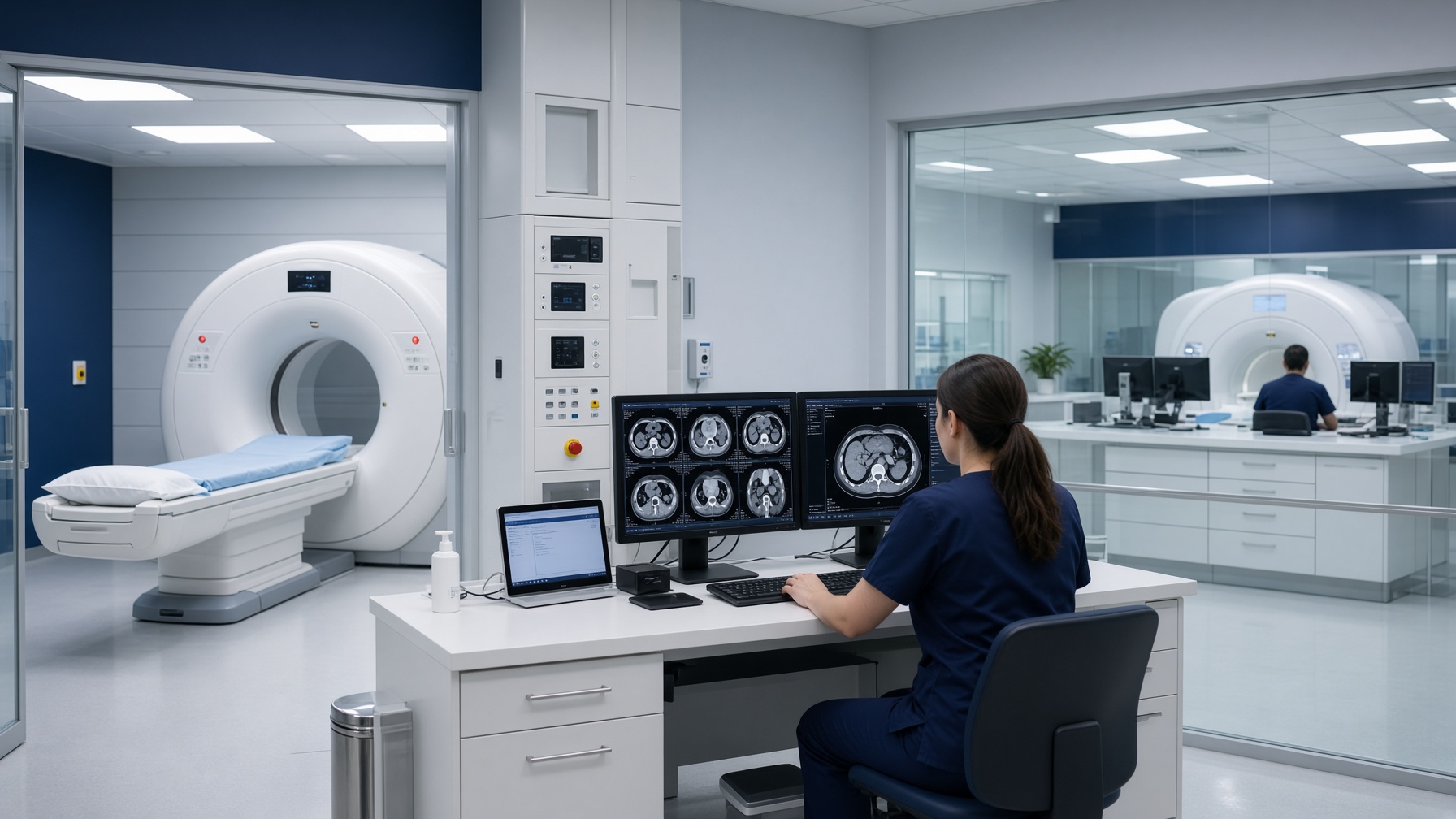
Full radiology suite as part of the clinical site: CT, X-ray, ultrasound, MRI (NMR) and interventional radiology — so imaging endpoints stay on site.
Clinical Research Infrastructure
Laboratory, GCP-compliant rooms, monitoring spaces, inpatient beds, overnight and long-stay capability, plus ICU/HDU access and 24/7 medical support — complete trial support in one location.
Hospital infrastructure & clinical capabilities
Facilities & clinical spaces
On-site pharmacy
Secure dispensing and IMP management under GCP-controlled conditions.
GCP-compliant climate-controlled rooms
Temperature-monitored and logged to regulatory standards.
Advanced clinical technology
Modern diagnostic and monitoring equipment supporting complex assessments.
On-site laboratory
Rapid sample processing, reducing turnaround times and preserving sample integrity.
Outpatient studies
Purpose-built clinical spaces designed for trial-specific workflows.
On-site radiology
CT, X-ray, ultrasound, MRI (NMR) and interventional radiology as part of the clinical site.
Patient care & safety
Inpatient, overnight and long-stay capacity
Extended observation and complex protocol requirements managed safely on site.
ICU / HDU access
Immediate escalation pathway for high-risk or first-in-human studies.
True 24/7 medical support
Continuous specialist availability throughout the duration of patient stays.
Research team
Specialist-led recruitment, dosing and escalation
Specialist oversight at every critical stage of the patient journey.
Experienced investigators and study coordinators
A seasoned research team delivering rigorous protocol execution and high-quality data.
Featured cohort
Dry Eye Disease
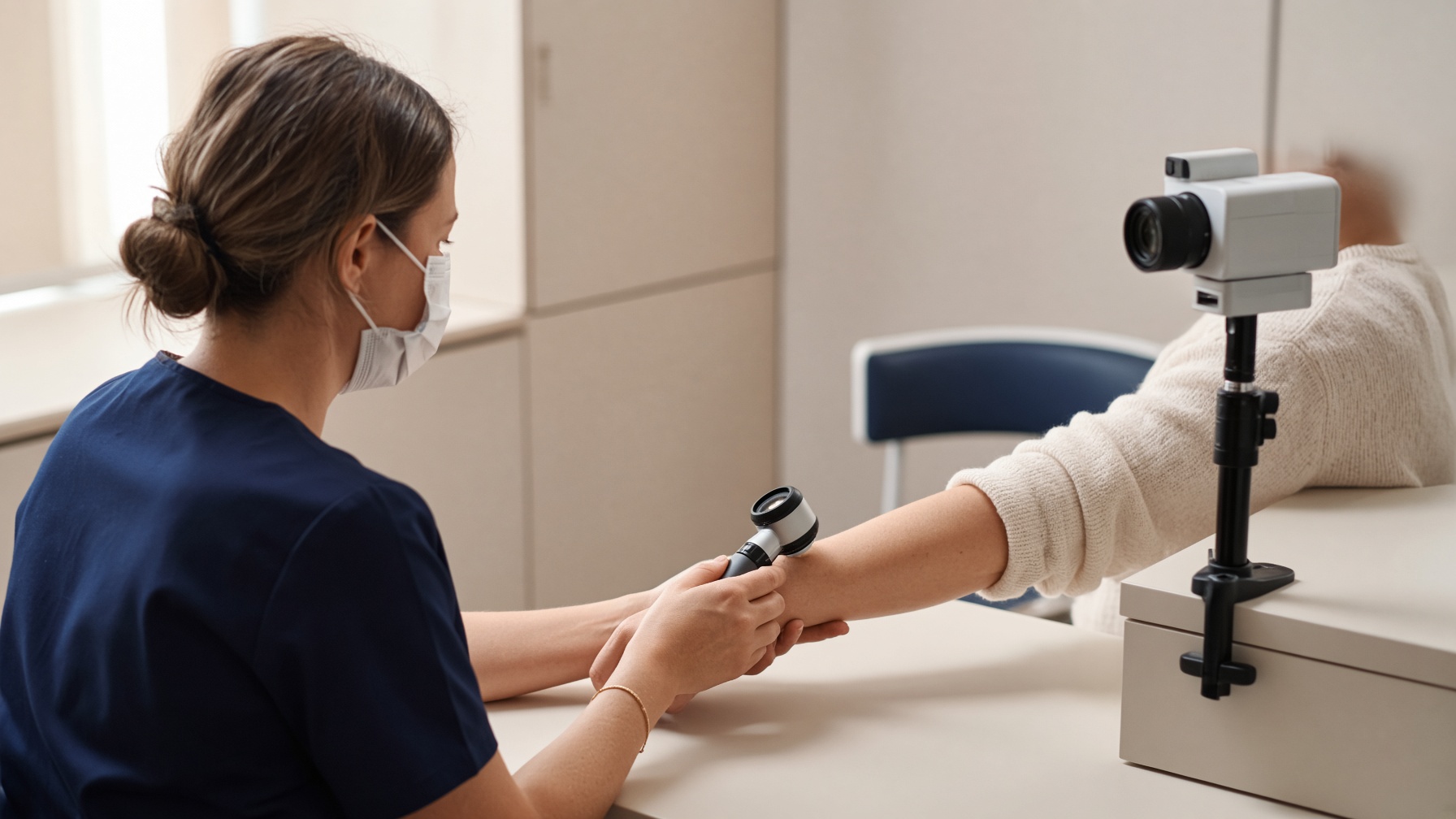
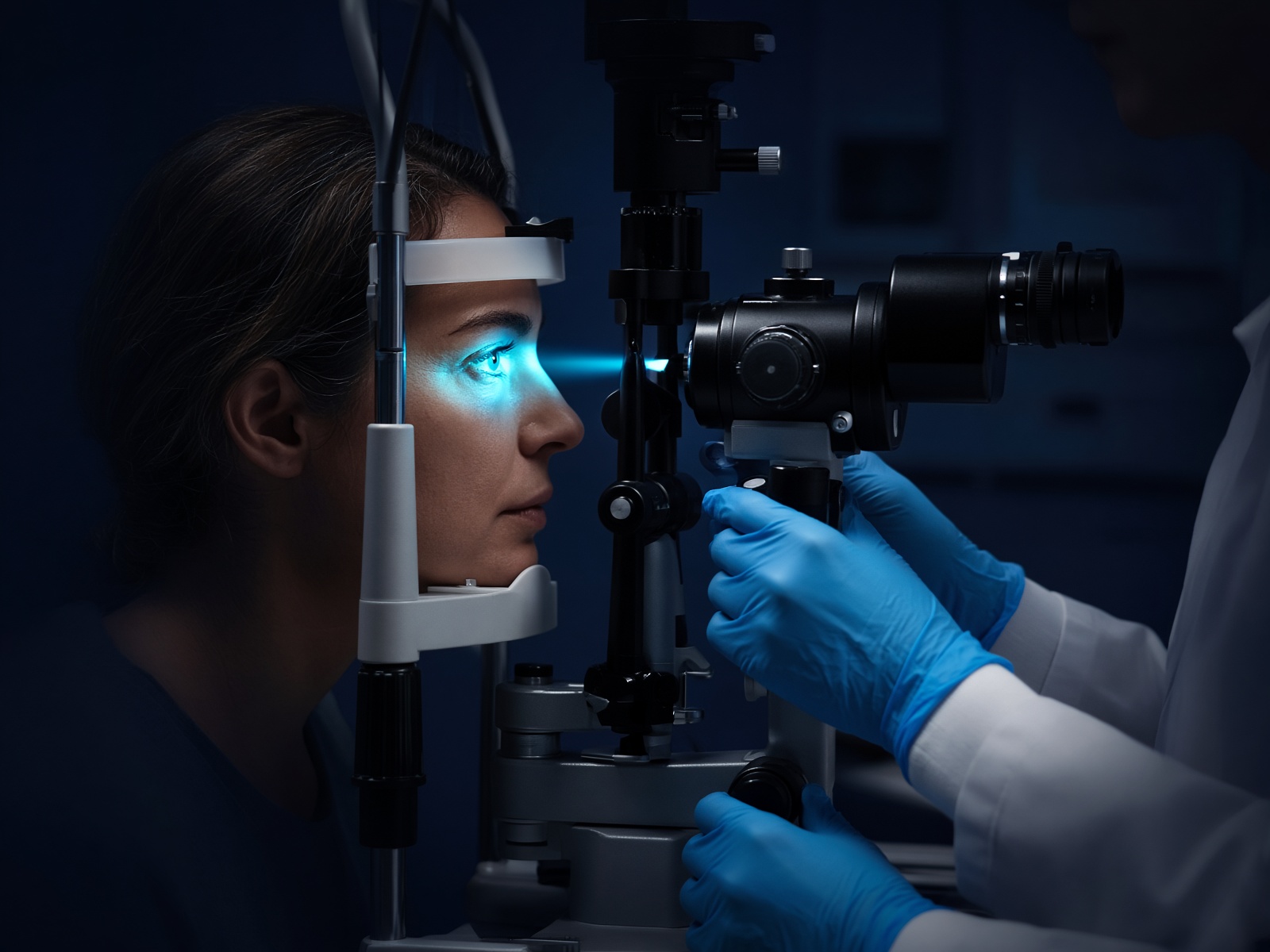
570 active patients ready for pre-screening. Dedicated ocular imaging suite, tear-film and corneal endpoints, and a proven Phase I, II, & III enrolment record.
Therapeutic areas
Phase I, II, & III patient studies across priority indications
For sponsors and CROs
Australian clinical trial site questions, answered.
Why do US and global sponsors use an Australian clinical trial site?
Australia offers a mature regulator (TGA), mutual-acceptance HREC pathways, fast first-in-human (FIH) Phase I start-up, English-language source data, and a 43% R&D tax rebate for eligible sponsors. DECENTRA adds several advantages on top of the national framework:
A proprietary statewide patient database covering urban, regional and remote South Australia
Hospital-level safety infrastructure (ICU/HDU access and 24/7 specialist medical cover)
Inspection-ready data and operations
The ability to run complex protocols that require washouts, overnight stays or long-stay care
Which therapeutic areas can DECENTRA enrol?
Dry eye disease and ophthalmology form a core strength, supported by a large, well-characterised patient cohort available for rapid pre-screening. Additional capabilities include:
Allergy and hypersensitivity
Immunology and autoimmune disease
Dermatology
Rheumatology
Neurology and pain medicine
Clinical pharmacology (including PK, DDI and QTc studies)
Cardiorespiratory
Endocrine and metabolic studies
Autonomic dysfunction, pulmonary, hepatology, infectious diseases and women’s health
Is DECENTRA an Australian clinical trial site for patient studies?
Yes. DECENTRA is a hospital-integrated clinical research centre based at St Andrew’s Hospital in Adelaide, South Australia. We conduct Phase I, II, & III (and selected Phase IV) patient studies for sponsors and CROs from the USA, EU, UK, China, Korea and Australia. The site supports outpatient, overnight and long-stay protocols under full hospital medical oversight.
What does site leadership look like?
Our site operates under the strict medical governance of an experienced Principal Investigator and Site Medical Director. Dr Paul Wabnitz, MD, PhD, FRACP brings decades of drug development, pharmaceutical industry experience and clinical specialist leadership, so every study is run with hospital-level precision and integrity. We address a persistent industry challenge: finding the right patients, quickly. The site’s value sits on three pillars — a specialist network of practising specialists and key opinion leaders with deep trial experience (not a GP-only model); a proprietary, multi-indication patient database that identifies eligible candidates rapidly and reduces screen-failure rates; and hospital-grade infrastructure that anchors medical control, safety and data integrity.
How do we start a feasibility assessment?
Do not send a full protocol until a Confidential Disclosure Agreement (CDA) is in place.
Complete the form on this page or email clinicaltrials@decentraclinical.com with your organisation, indication, phase and preferred times for an introductory call.
We arrange the call and execute a Confidential Disclosure Agreement (CDA). Do not send a full protocol before that.
After the discussion and CDA, we perform a rapid site feasibility assessment using our live patient database.
Request a feasibility assessment
Start with an introductory discussion.
After a confidentiality agreement is executed, we provide an accurate patient feasibility assessment informed by our extensive statewide database, matched to your eligibility criteria and indication.
We also offer complimentary expert guidance on study design, protocol feedback, patient numbers, and HREC requirements — helping you launch faster and avoid costly delays.